
Top 4 Popular Roofing Materials in 2026: Pros, Cons, and How to Choose the Best One
Which Roof to Choose? Top 4 Popular Roofing Materials with Pros and Cons
Choosing roofing materials is one of the most critical steps in building a house because each type of roof has different properties and aesthetics. Selecting an unsuitable roof for your home's design or usage could lead to long-term issues.
In this article, we have compiled 4 of the most popular roofing types today—whether you prioritize durability, budget-friendliness, or heat insulation—to serve as a guide to help you choose the best roof for your home.
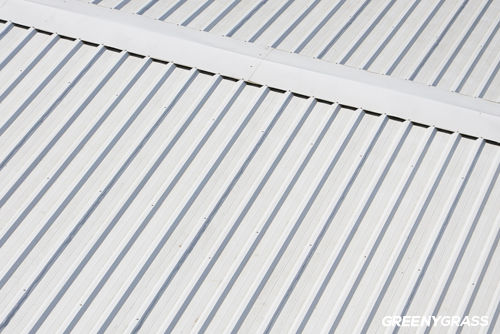
1. Metal Sheet Roofing
It is a thin steel roofing sheet that goes through a roll-forming process to create corrugations for water drainage, structural strength, and enhanced aesthetics. The coating materials include both aluminum and zinc. It can be installed for both indoor and outdoor use, though it is most commonly seen outdoors. Available in various colors to meet your preferences, it can also be used for other applications besides roofing, such as fencing and wall cladding. Therefore, metal sheet roofing is widely popular.
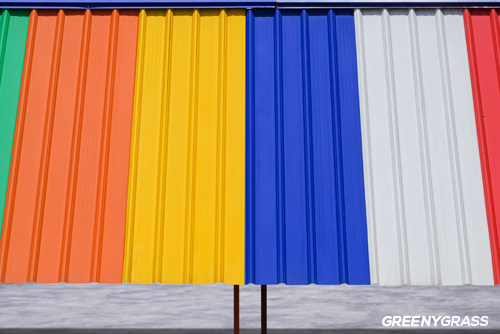
Summary of Pros and Cons: Metal Sheet Roofing
| ✅ Pros | ❌ Cons / Considerations |
|---|---|
|
• Easy to install, saving construction time and labor costs.
• Can be installed directly over an existing roof without complete removal.
• Long sheets mean fewer joints, effectively reducing leakage risks.
• Lightweight and affordable, minimizing structural load.
• Highly durable material, resistant to cracking unlike traditional tiles.
• Perfectly suited for modern low-slope roof designs.
|
• Can be noisy inside the house during heavy rainfall.
• Metal material retains and accumulates more heat compared to other types.
• Requires additional heat insulation installation.
• If sheets are too thin, they may sustain damage from severe storms.
|
*You can swipe left or right to view the comparison table on mobile devices.
2. Awnings / Canopies
These are widely popular roofs available in two main categories: opaque and translucent. The choice should match the specific location and your needs. They are commonly installed in areas such as windows, garages, or entrances.
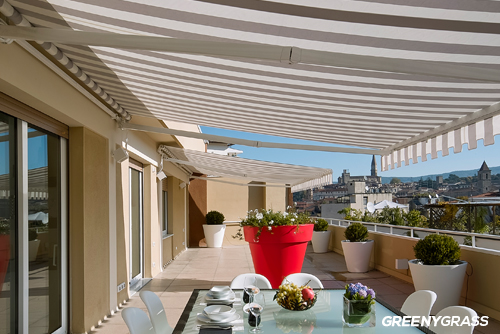
Opaque Awnings: Light cannot pass through, providing more shade and coolness than translucent options. There are various materials to choose from, such as:
- Metal Sheet: Pros - Lightweight, low cost, easy to install. Cons - Noisy during heavy rain, absorbs high heat.
- Roman Tiles: Pros - Affordable, easy to install. Cons - Heavy, increases costs for structural steel supporting frames.
- Vinyl: Pros - Beautiful and modern look, dampens noise effectively even during heavy rain. Cons - Higher price.
- Canvas: Pros - Lightweight, retractable. Cons - Shorter lifespan.
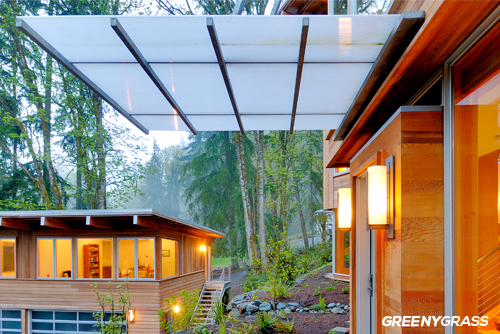
Translucent Awnings: Light can filter through, providing natural daylight without needing to turn on indoor lights during the day.
- Polycarbonate: Pros - Maximum light transmission, many color choices, low cost. Cons - Filters light based on the sheet color (unnatural tint), very noisy during heavy rain, traps high heat, short lifespan.
- Fiberglass: Pros - Long lifespan, distributes natural-looking daylight. Cons - High price.
- Fabric: Pros - Lightweight, customizable patterns, easy to fold/retract. Cons - Shorter lifespan, prone to dirt and mold accumulation.
If you need a roofing material that offers both peace and coolness, Vinyl Roofing is an excellent solution. With its unique properties that absorb sound and provide exceptional heat protection, it keeps your home shaded and much more livable, boasting a modern design that complements any architectural style.

3. Vinyl Roofing
This premium-grade roofing material is manufactured from UPVC (Unplasticized PolyVinyl Chloride), which stands out for its built-in thermal insulation properties. It effectively reflects heat and provides excellent UV protection, keeping the area beneath the roof visibly cooler than conventional materials. Furthermore, vinyl roofing is widely recognized for its superior noise-absorption capabilities during rain, maintaining a quiet environment inside the house.
This material features high weather resistance, won't become brittle or crack easily, does not rust, and is flame-retardant. It comes with a modern design that elevates the overall aesthetic of your home, with a variety of styles available to match your preferences, such as sleek flat profiles for a minimalist luxury feel, double corrugations, single corrugations, or triple corrugations.
Summary of Pros and Cons: Vinyl Roofing
| ✅ Pros | ❌ Cons / Considerations |
|---|---|
|
• Highly flexible with excellent impact resistance (does not easily crack or dent).
• Excellent heat insulation, keeping the house cool and saving energy costs.
• Dampens noise much better than metal sheets; even heavy rain won't cause disturbances.
• Safe material with certified flame-retardant properties.
• Can be used on low-slope roof profiles.
• Lightweight and easy to install.
|
• Very high price compared to other alternative materials.
• Available only in opaque variations.
• Colors may experience minor fading or changes after long-term exposure.
|
*You can swipe left or right to view the comparison table on mobile devices.

4. Roof Tiles
Roof tiles are the number one most popular roofing material that has been a staple of Thai homes for generations, bringing an aura of stability, strength, and classic timeless beauty. A key benefit of roof tiles is the vast array of material choices available to fit both your design aesthetic and budget—whether it's concrete roof tiles focusing on robust durability, ceramic tiles offering a brilliant glossy finish with fade-resistant vibrant colors, or clay tiles providing a natural touch perfectly suited for traditional Thai architecture and resort-style homes.
Summary of Pros and Cons: Roof Tiles
| ✅ Pros | ❌ Cons / Considerations |
|---|---|
|
• Exceptionally strong and durable material with a long lifespan spanning several decades.
• Easy to maintain and repair; individual broken tiles can be replaced separately.
• Excellent thermal properties to provide great heat protection, keeping the home comfortable.
• Much quieter than metal sheets when raindrops hit the roof surface.
|
• Difficult and time-consuming installation process as tiles must be laid piece by piece.
• If not installed by a skilled professional, leaks can easily occur along overlapping joints.
• Very heavy material, requiring an exceptionally strong roof frame structure.
• Higher overall costs due to the additional structural steel framing required to support the load.
|
*You can swipe left or right to view the comparison table on mobile devices.
Knowing these pros and cons will help homeowners select materials that perfectly match the utility and objectives of their roof. This ensures a home with better overall characteristics—resulting in a strong, beautiful, durable roof that fits the house perfectly while helping save electricity costs.
Roof Ready... Floor Must Be Fabulous! Ideas to Transform the Space Under Your Roof Into a Lush Green Paradise
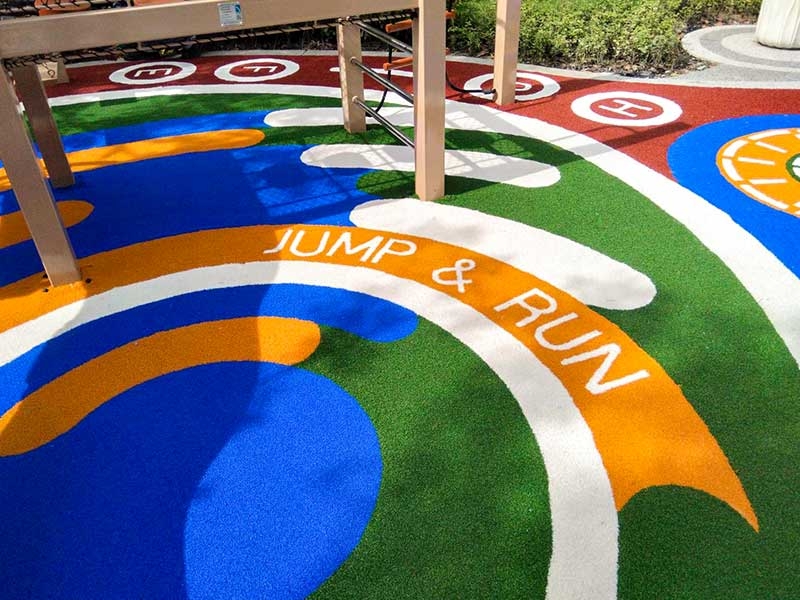
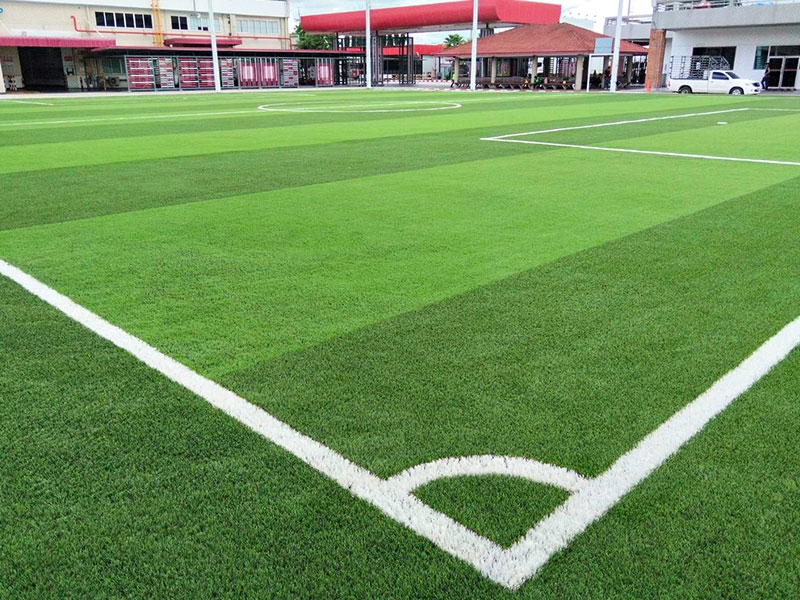
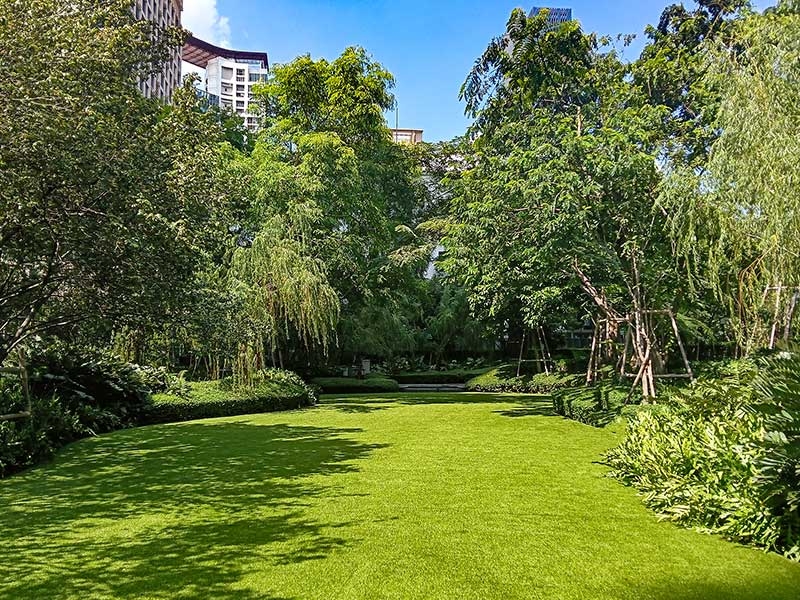
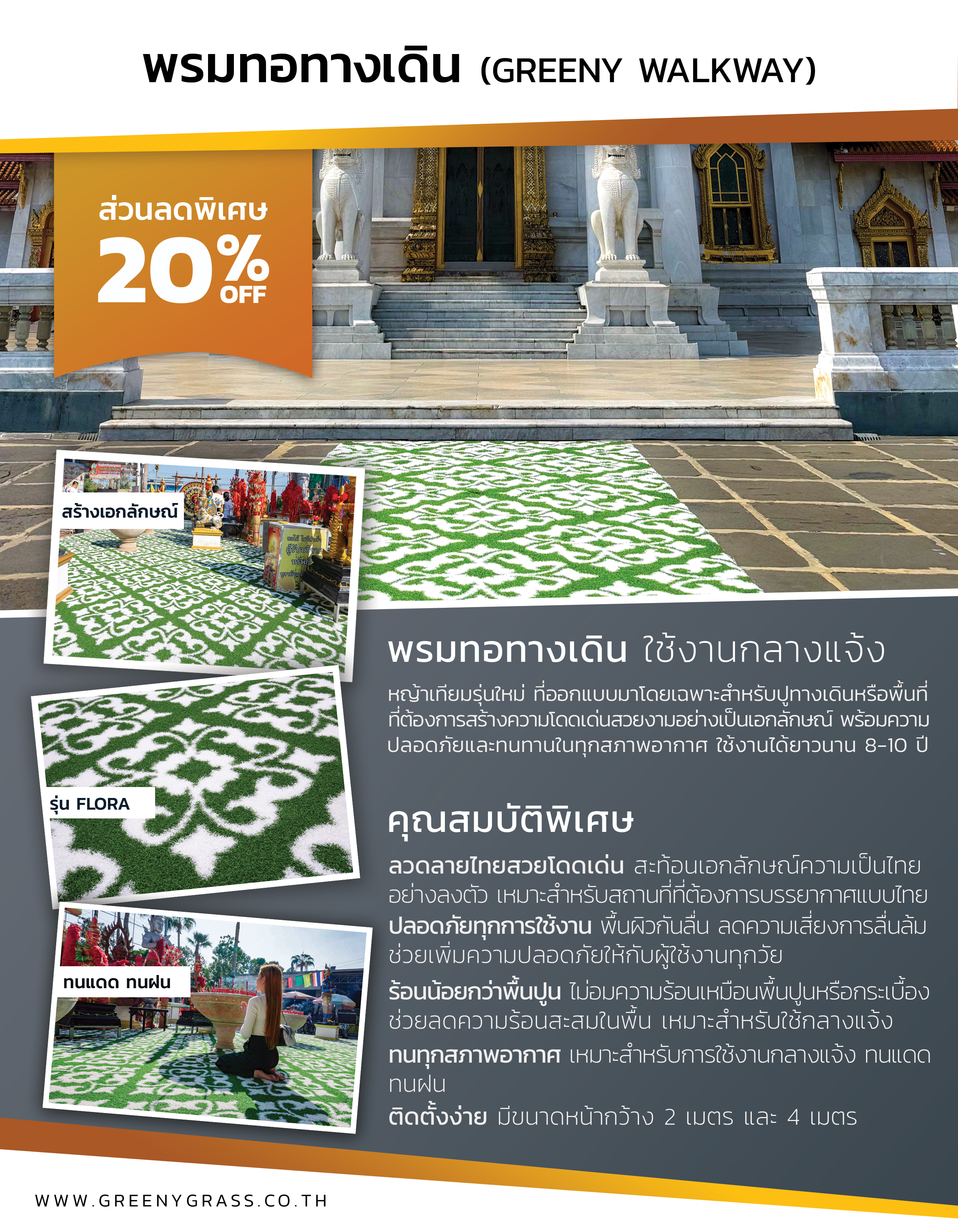
Once your house or garage roof is finished, change the dry ground or plain concrete floor underneath into a green relaxation corner with Greeny Grass artificial turf.
[Click here to view our portfolio of artificial turf garden and landscaping ideas]
[Consult an expert / Get a free artificial turf area quotation via LINE]
Frequently Asked Questions (FAQ)
Q: Adding a garage extension or side canopy, which roof should I choose?
Answer: Choose Metal Sheet for a budget-friendly option, but if you prefer beauty and coolness, Vinyl is highly recommended.
Q: Which type of roof helps keep the house coolest and offers the best heat protection?
Answer: Vinyl Roofing and Roof Tiles offer the absolute best thermal insulation performance.
Q: Is it noisy when it rains? Which roof absorbs sound well?
Answer: Vinyl Roofing absorbs sound best, ensuring peace and quiet even during heavy rainfall.
Q: Is vinyl roofing durable, and how many years does it last?
Answer: Highly durable with an expected lifespan of 10-20+ years. It never rusts and withstands intense sun and heavy rain perfectly.